Column · @deanqrls810
Dental Crowns for Front Teeth: Aesthetic Solutions
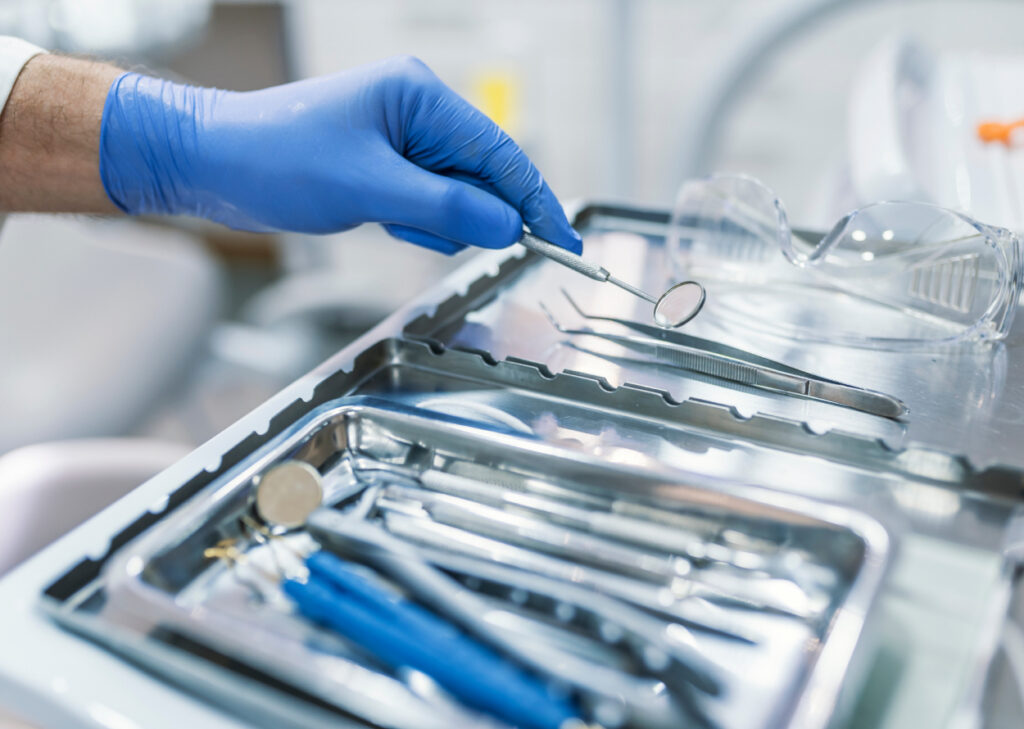
A front tooth occupies an unfair amount of visual real estate. A tiny chip, a dark old filling, a root canal stain, or a fracture line that no one else notices can dominate a smile in photographs, meetings, and ordinary conversation. That is why restoring an upper central incisor or canine is never just a mechanical exercise. It is part dentistry, part materials science, part optical design.
Dental Crowns for front teeth can solve problems that veneers, bonding, or whitening simply cannot. They can rebuild a badly broken tooth, cover severe discoloration, strengthen a weakened tooth after root canal treatment, and correct shape or alignment in selected cases. At the same time, the margin for error is slim. A crown that looks perfectly acceptable on a molar can look flat, opaque, or bulky the moment it moves into the smile zone.
When patients ask whether a front crown can look natural, the short answer is yes, often remarkably so. The better answer is that a natural result depends on judgment at every stage: case selection, preparation, material choice, shade planning, laboratory communication, soft tissue management, and the way the bite is handled. The front teeth reveal every shortcut.
Why front teeth demand a different approach
Back teeth mostly need strength and function. Front teeth need those things too, but they also need subtle qualities that people rarely describe well and instantly recognize when they are missing. Natural incisors are not one flat shade of white. They have depth. Light travels into enamel, reflects from dentin, and scatters back out. The edges may be slightly translucent. The neck of the tooth, near the gumline, is often Dental Crowns a little warmer or more saturated in color. Surface texture influences how glossy or youthful the tooth appears.
A crown on a front tooth has to mimic all of that while also fitting precisely under the gum, meeting the neighboring teeth cleanly, and surviving years of biting, speech, and temperature changes. That is why front tooth crown work often takes more planning than patients expect. The crown itself may be small, but the esthetic challenge is not.
I have seen two cases, almost identical on paper, end with completely different experiences. In one, a patient came in with a darkened upper lateral incisor after trauma. The tooth still had enough enamel and structure for a conservative approach, but a crown was chosen quickly without a full discussion. The result was acceptable in shape, but slightly too opaque compared with the adjacent teeth, and the patient noticed it every day. In the other case, a similar tooth was photographed carefully, provisionalized thoughtfully, and restored with a ceramic system chosen specifically for translucency control. Most people, including the patient’s spouse, could not identify which tooth had been treated. The lesson was not that crowns are problematic. It was that front crowns reward precision.
When a crown is the right answer
A crown is not the best solution for every cosmetic concern involving a front tooth. Sometimes the most attractive result comes from preserving more natural enamel. Bonding can handle small chips. Veneers can improve shape, minor alignment irregularities, and moderate discoloration when enough healthy tooth remains. Whitening may resolve the issue entirely if color is the main complaint.
Crowns enter the conversation when the tooth is structurally compromised, heavily restored, fractured, worn down significantly, or discolored beyond what more conservative options can mask. They are also useful when a tooth has a large filling on multiple surfaces, when previous bonding has failed repeatedly, or when a tooth has had root canal therapy and has become brittle or dark.
The key distinction is this: a crown covers the entire visible portion of the tooth above the gumline, while a veneer covers only the front surface and some edge or side extension. That makes the crown more powerful as a restorative tool, but also more invasive. On front teeth, preserving enamel whenever possible usually improves bonding options and long term flexibility. A good cosmetic dentist does not recommend a crown simply because it can create a dramatic visual change. The tooth has to justify it.
The materials that matter most in the smile zone
Not all crowns are created equal, and front teeth expose those differences quickly. Material choice is often the hinge point between a restoration that merely looks white and one that actually looks alive.
Porcelain fused to metal crowns were once common for front teeth and are still useful in some situations. They can be durable, and they can mask dark underlying tooth structure effectively. Yet they have limitations. Metal beneath the porcelain can block light transmission, making the crown appear more opaque than neighboring teeth. Over time, gum recession can reveal a dark margin near the gumline. For some patients this is manageable. For highly visible front teeth, it is often a compromise.
All ceramic crowns, particularly modern lithium disilicate and layered ceramics, have changed what is possible. These materials can mimic enamel more convincingly because they transmit and reflect light in a way that resembles natural tooth structure. They also allow a technician to build subtle effects into the incisal edge, body, and cervical area of the crown. When the underlying tooth color is favorable and the preparation is done well, all ceramic crowns tend to produce the most natural esthetic outcomes for front teeth.
Zirconia crowns deserve a nuanced discussion. Zirconia is strong and useful, especially where durability is a priority. Earlier generations were relatively opaque, which made them less ideal for the most visible front restorations. Newer translucent zirconia options look better than they used to, but they still behave differently from more glass based ceramics. In practice, zirconia can be a strong choice in certain anterior cases, particularly when strength, bruxism, or limited space is part of the equation. Still, when the goal is maximum lifelike translucency in a single central incisor, many clinicians and ceramists still prefer other ceramic systems, provided the case permits it.
Shade matching is more than picking a color tab
Patients often assume that matching a front crown means choosing the same whiteness as the adjacent teeth. In reality, shade is only one layer of the process. Brightness, translucency, value, chroma, texture, and luster all matter. A crown can be the correct basic shade and still look wrong if it is too chalky, too gray, too glossy, or too smooth.
The most successful shade matches usually rely on more than a quick glance under overhead operatory lights. Good clinicians use natural or color corrected lighting, photographs, and reference shades. In challenging cases, especially a single front tooth next to untouched natural teeth, a custom shade appointment with the ceramist can make a significant difference. The ceramist can study fine details such as white spots, faint craze lines, translucent halo effects near the edge, and the way the neighboring incisor transitions from warm to cool tones.
There is also the issue of age. Younger teeth often look brighter and more translucent at the edges. Older teeth may have more wear, reduced translucency, and a deeper color. A crown that looks beautiful in isolation can look out of place if it ignores the age and character of the neighboring teeth. Perfect is not always natural. Sometimes the right crown includes tiny irregularities because that is what makes it disappear into the smile.
The role of the temporary crown
Temporary crowns are often treated as a brief stopgap, but on front teeth they can be an essential preview. A well made provisional crown lets the patient test the length, shape, contour, and general appearance before the final ceramic is fabricated. It also helps the dentist evaluate speech, lip support, gum response, and bite function.
I have seen temporary restorations reveal problems that would have been expensive and frustrating to discover only after final cementation. A patient may realize that a slightly longer incisal edge catches the lower lip when speaking. Another may notice that a tooth that looked symmetrical in the chair feels too square in everyday life. Sometimes the gum tissue responds to provisional contours in a way that teaches the clinician exactly how to shape the final emergence profile.
This stage is especially important when the front tooth has been worn, broken, or out of position for years. The patient’s eye and muscle memory may need time to adapt. A thoughtful provisional is not a delay. It is part of the design process.
What the preparation should respect
Preparing a front tooth for a crown means removing tooth structure, and that reality should never be minimized. The amount removed depends on the material, the position of the tooth, and the esthetic goals. Too little reduction can force the laboratory to make a bulky crown. Too much reduction can endanger the pulp, weaken the remaining tooth, and complicate bonding.
For front teeth, the preparation must balance biology, mechanics, and appearance. The margin placement matters. If it sits too far above the gumline, the edge may show. If it is pushed too deep below the tissue without a good reason, the gums may become irritated or unstable. The contour must give the ceramist enough room to create natural translucency and color layering. The incisal edge needs enough space for strength and esthetics. The path of insertion has to work without over tapering the tooth into a stump with poor retention.
There is also a practical difference between restoring a single front tooth and several front teeth together. A single crown has to match existing natural teeth, which is often harder. Multiple adjacent crowns can be designed as a coordinated set, but they carry a higher burden because if the proportions are off, the whole smile can look artificial. More units do not automatically make the esthetic challenge easier.
Gumline aesthetics can make or break the result
People usually focus on the visible crown surface, yet the surrounding gum tissue is just as important. Healthy, symmetric gingival contours frame the tooth. If the crown margin inflames the tissue, if the contour is overbuilt near the gumline, or if recession exposes the crown edge, even a beautifully made ceramic restoration can look compromised.
This is one area where experience shows. A dentist who routinely does esthetic anterior work pays close attention to soft tissue architecture. Sometimes the problem is not the tooth alone but the gumline around it. If one central incisor sits higher at the gum than the other, or if a traumatic injury altered the tissue contour, correcting the crown without addressing the soft tissue may not produce a harmonious result.
Occasionally, small periodontal procedures, tissue shaping with a provisional, or orthodontic movement before crowning creates a better esthetic foundation. Patients are often relieved to hear that the crown is not the only tool available. The most natural results are usually interdisciplinary, even if the final restoration is a single crown.
Situations that need extra caution
Not every front tooth behaves predictably. Dark root canal treated teeth are a classic example. If the underlying tooth is deeply discolored, creating a bright, translucent crown without the dark core showing through becomes more difficult. A more opaque ceramic or internal masking strategy may be needed, but too much opacity can make the tooth look lifeless. This is where case planning matters most.
Thin gum tissue is another challenge. Even a well fitting crown can show a subtle grayness at the margin if the tissue is delicate and the substrate is dark. Patients with a high smile line, where a lot of gum shows when smiling, may notice issues others would never see. Bruxism, nail biting, and edge to edge bites also change the equation, because a crown that is optimized only for beauty may chip or fail under heavy functional stress.
Here are the scenarios where front Dental Crowns tend to require especially careful planning:
- A single upper front tooth that must match untouched neighboring teeth
- A darkened tooth after trauma or root canal treatment
- A patient with a very high smile line or thin gum tissue
- A heavy grinder or someone with a history of chipping front restorations
- A tooth with limited remaining structure after a large fracture or repeated restorations
None of these situations rules out a crown. They simply raise the technical bar.
Crowns versus veneers, bonding, and implants
Patients often compare a crown on a front tooth with veneers because both live in the cosmetic realm. The better comparison starts with the condition of the tooth. If the tooth is largely intact and the problem is cosmetic, a veneer or bonding may preserve more natural structure. If the tooth is extensively damaged, a crown often provides more complete coverage and support.
Bonding is conservative and can look excellent in skilled hands, especially for small chips or shape refinements. It is usually more affordable upfront, but it can stain, wear, or chip over time, particularly on the edges of front teeth. Veneers typically offer better stain resistance and longevity than bonding while remaining more conservative than crowns. Crowns become the stronger option when the tooth needs full coverage because of fracture, large restorations, or major color problems.
Implants are a separate category, though patients sometimes ask whether removing a troubled front tooth and placing an implant would be better than crowning it. Whenever a natural tooth can be predictably preserved, that is generally preferable. Implant crowns can look beautiful, but matching the soft tissue and natural emergence profile of a front tooth implant is one of the most demanding procedures in esthetic dentistry. Saving a restorable natural tooth often provides the most forgiving path to a natural smile.
What the treatment process usually looks like
Patients feel more at ease when they know what to expect. The process is not mysterious, but on a front tooth it should be deliberate.
A typical sequence includes the following:
- Examination, photographs, and discussion of goals, alternatives, and limitations
- Tooth preparation, impression or digital scan, and fabrication of a temporary crown
- A laboratory phase where the crown is designed and built, sometimes with custom shade communication
- Try in and evaluation of fit, color, contour, and bite, followed by final cementation or bonding
- Follow up to confirm tissue health, comfort, and esthetic satisfaction
That sounds straightforward on paper. In practice, the details matter. A try in appointment may reveal that the crown needs a glaze adjustment or small contour change. A provisional may stay in place longer if the team is refining gum tissue shape. A patient may need to whiten adjacent teeth before shade matching the final crown. The shortest route is not always the best route.
Longevity, maintenance, and realistic expectations
A well made front crown can last many years. Ten to fifteen years is a common range discussed in practice, and some last significantly longer. Longevity depends on the material, the bite, oral hygiene, habits such as clenching, and the quality of the underlying tooth and surrounding gum support. Front crowns often face less crushing force than molars, but they are vulnerable to edge stress, trauma, and parafunctional habits.
The crown itself cannot decay, but the tooth underneath still can, especially at the margin where plaque tends to collect if oral hygiene is neglected. Flossing matters. So do regular checkups, because recurrent decay around a crown margin is often subtle early on. Patients who grind their teeth at night should take protective appliances seriously. A night guard can preserve both the crown and neighboring natural teeth.
Expectations also need calibration. The goal is a crown that looks natural in the face, not one that wins a laboratory beauty contest under magnification. Every restoration is a handcrafted approximation of biology. The best crowns disappear in ordinary life, in motion, in varied lighting, and at conversational distance. That is the standard that matters.
How to improve the odds of an excellent esthetic result
The strongest predictor of success is not a miracle material or a single brand of ceramic. It is the quality of the team and the planning. Front tooth crowns are among the restorations where clinician skill, ceramist artistry, and communication genuinely change the outcome.
If you are considering a crown on a front tooth, ask to see before and after cases involving single anterior crowns, not just full smile makeovers. Those are different challenges. Ask how shade matching is handled. Ask whether provisional shaping is used to refine the result. Ask what alternatives exist and why a crown is being recommended instead of a veneer or bonding. A thoughtful explanation is a good sign.
There is also value in timing. If you are thinking about whitening your teeth, do that before the crown shade is chosen. Ceramic does not whiten later. If orthodontic alignment could improve the position of the tooth, it may reduce how aggressive the preparation needs to be. If gum inflammation is present, it should be controlled before final impressions are taken. Esthetic dentistry rewards sequencing.
The final look should feel effortless
The most successful front crown rarely calls attention to itself. Patients often describe the best outcomes in surprisingly simple terms: it looks like my tooth again, I do not think about it anymore, I smile without checking it in every mirror. That ease is the product of careful decisions, not luck.
Dental Crowns for front teeth can be transformative when they are chosen for the right reasons and executed with restraint. They can restore strength after damage, cover deep discoloration, and rebuild a smile in a way that feels natural rather than manufactured. The crown that works best is not always the whitest, the brightest, or the most expensive. It is the one that respects the biology, suits the face, and blends so well that it stops being the first thing the patient sees.
Simple Dental South Gate
Address: 8617 California Ave, South Gate, CA 90280
Phone number: +13236896118
FAQ About Dental Crowns
How much do crowns cost per tooth?
In the United States, a single dental crown typically costs between $800 and $2,500 per tooth without insurance. The ultimate out-of-pocket price depends heavily on the crown material, the location of the tooth, and whether you have dental insurance coverage.
What is the downside of crowns on teeth?
The primary downside of a dental crown is that the procedure permanently removes natural tooth enamel to shape the tooth for the cap.
Why do dentists push for crowns?
Dentists recommend crowns because a large filling cannot provide enough strength when a tooth loses a major portion of its structure or faces heavy chewing pressure.