Column · @deanqrls810
The Role of Dental Crowns Southgate CA in Restorative Dentistry
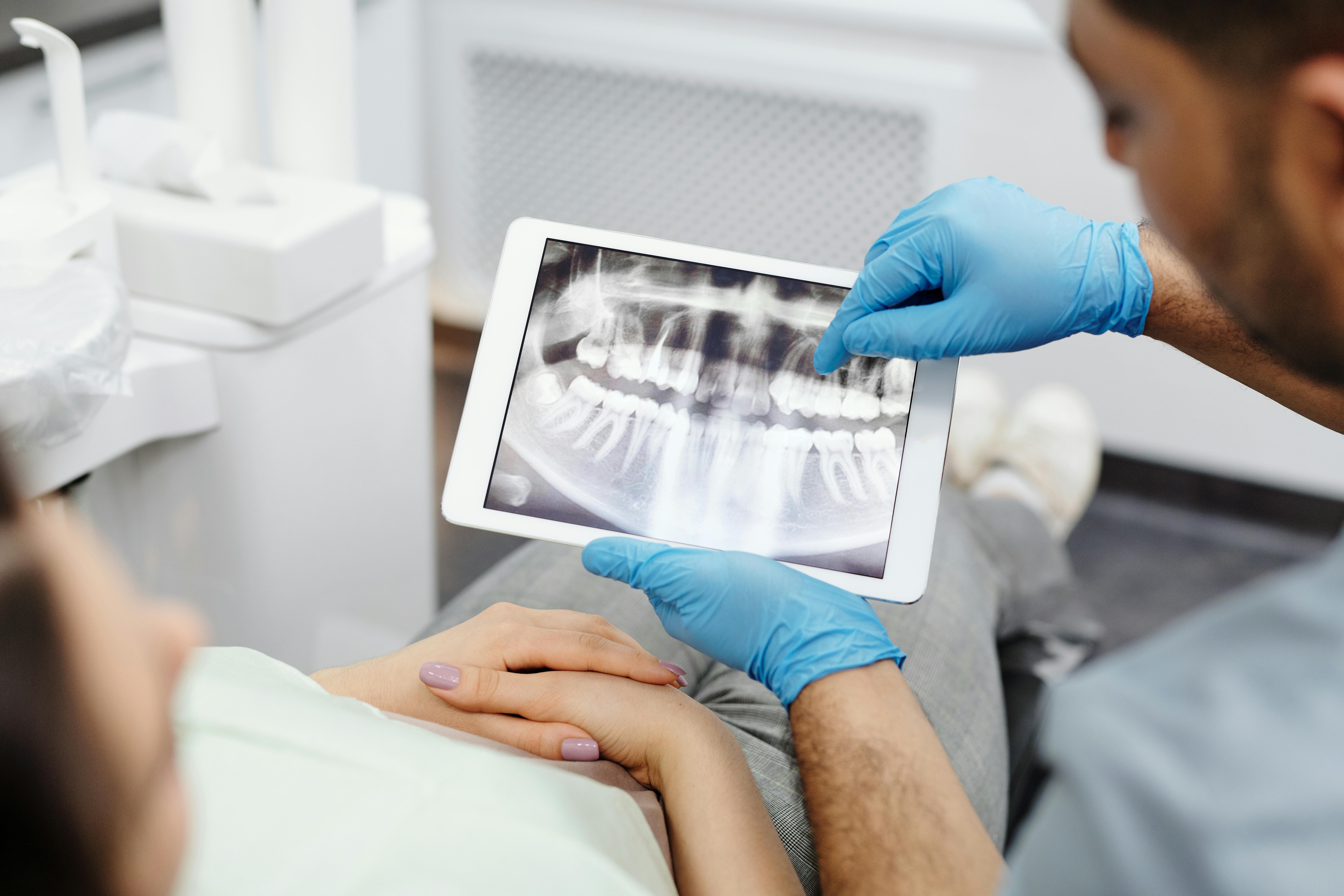
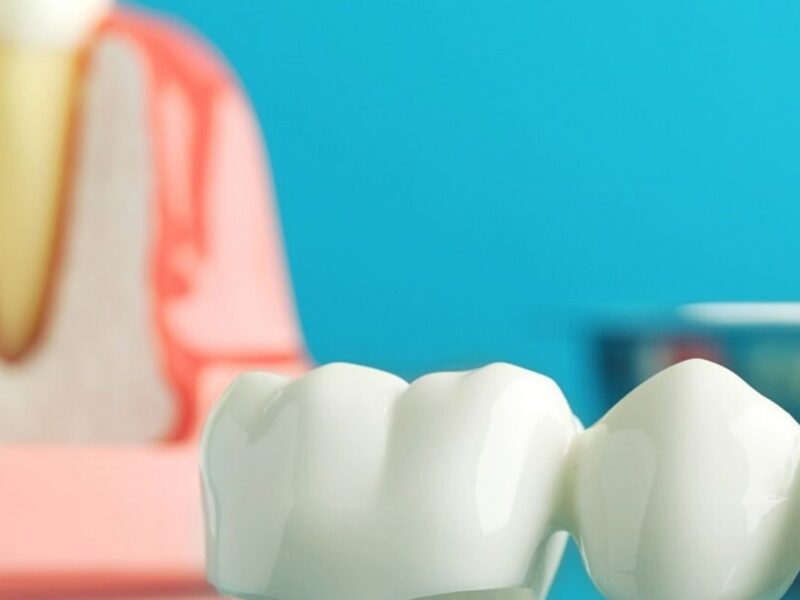
Restorative dentistry often sounds technical from the outside, but at its core, it is about something very human: helping people keep teeth that still have value, function, and structure left to preserve. Few treatments reflect that better than a dental crown. A crown is not simply a cap placed Dental Crowns Southgate CA on a damaged tooth. In day-to-day practice, it serves as a structural reinforcement, a functional repair, and in many cases, a way to prevent a tooth from moving from “repairable” to “extractable.”
When patients ask whether a crown is really necessary, the answer depends on much more than a quick look at the tooth. Dentists weigh how much healthy tooth remains, how forces are distributed when the patient bites, whether there is a large filling already undermining the cusps, and whether the tooth has had root canal treatment. In communities where patients want durable treatment that balances cost, appearance, and long-term oral health, discussions around Dental Crowns Southgate CA often center on exactly these practical concerns.
A good crown can buy years, sometimes decades, of service from a tooth that would otherwise be at serious risk. A poorly timed crown, or a poorly designed one, can create frustration, sensitivity, or avoidable complications. That is why crowns remain such a central part of restorative dentistry. They are common, but they are not routine in the sense of being thoughtless. Every successful crown reflects planning, material selection, careful preparation, and follow-through.
Why crowns matter beyond cosmetics
Many people first think of crowns as cosmetic restorations because they can improve shape and color. That is true, but it is only part of the story. The more important role is biomechanical. Teeth crack under pressure, especially when they have been hollowed out by large cavities, old fillings, or endodontic access after root canal therapy. Once enough natural tooth structure is gone, a filling alone may not provide the support needed to resist chewing forces.
Back teeth take the brunt of those forces. Molars and premolars do not just close up and down. They absorb repetitive pressure from grinding, clenching, and side-to-side movement. A patient may have a tooth that feels mostly fine, yet radiographs and examination show deep undermined enamel or cusps beginning to craze. That is often the stage where a crown earns its keep. It wraps the remaining tooth structure and redistributes pressure more predictably.
Front teeth present a different set of concerns. They usually encounter lower biting force than molars, but aesthetics matter more, and fractures can be psychologically distressing. A crown on an anterior tooth may restore appearance after trauma, severe discoloration, or extensive decay that cannot be handled conservatively with bonding or veneers. In those cases, strength and esthetics have to meet in the same restoration.
The public conversation sometimes frames crowns as aggressive dentistry, but that misses the clinical reality. The better comparison is not crown versus no treatment. It is often crown versus repeated large fillings, progressive cracking, loss of function, or eventual extraction.
The point where a filling stops being enough
There is no single percentage of tooth loss that automatically means a crown is required, but patterns emerge. A small to moderate cavity can often be restored well with composite resin. A very large restoration that replaces multiple surfaces and leaves thin unsupported walls changes the picture. If the tooth has already been filled several times, each replacement usually removes a bit more natural structure. Eventually, the restoration is no longer the weak point. The remaining tooth is.
One of the more common scenarios involves a patient who has an old silver filling on a lower molar. The filling has held up for years, but the surrounding enamel begins to fracture, or recurrent decay forms underneath. At that point, simply replacing the filling may set the patient up for another cycle of breakdown. A crown can interrupt that cycle by covering and protecting the weakened cusps.
Teeth treated with root canal therapy deserve special mention. Once the nerve tissue is removed, the tooth is not technically “dead” in the everyday sense, but it is more vulnerable to fracture because it has often lost significant internal structure. Access openings, previous decay, and existing restorations all reduce stiffness. In posterior teeth especially, crowns are frequently recommended after root canal treatment for this reason. Skipping the crown can look like savings in the short term and turn into a catastrophic split later.
That does not mean every root canal tooth needs the same type of restoration. Some front teeth with minimal structure loss can perform well with more conservative treatment. Experience matters here. Good restorative dentistry is not about applying one rule to every case. It is about judging risk.
What a crown actually does
A crown replaces the outer contour of a damaged tooth while encasing the prepared portion above the gumline. Its design restores several things at once: chewing anatomy, contact with neighboring teeth, relationship with the opposing teeth, and structural integrity. If any one of those is poorly handled, the patient notices.
An undercontoured crown may trap food and irritate the gums. A crown that is slightly too high can leave the patient feeling like that tooth hits first every time they close. A contact that is too loose can lead to food packing. A contact that is too tight can make floss shred or prevent proper seating. This is why crown work is as much about precision as it is about material.
When done well, a crown should feel unremarkable after the adjustment period. Patients often say the best crown is the one they stop thinking about. That is a fair measure.
Materials and why the choice is rarely one-size-fits-all
The conversation around crown materials has changed quite a bit over the last decade. Patients are more aware of metal-free options, and dentists have more reliable ceramic systems than in the past. Even so, material choice remains a balance of strength, esthetics, location in the mouth, bite pattern, and budget.
Porcelain-fused-to-metal crowns have a long history and can still perform well. They combine a metal substructure with a porcelain exterior, which gives them good strength, though sometimes at the cost of a darker margin over time or a less lifelike translucency.
All-ceramic and zirconia Dental Crowns Southgate CA crowns have become increasingly popular because they offer strong esthetic results and avoid visible metal. Zirconia, in particular, is valued for its durability in many posterior cases. That said, not every ceramic behaves the same way. Some look beautiful in front teeth but require more careful case selection in heavy grinders. Others are strong but slightly less natural-looking under certain lighting.
A dentist recommending Dental Crowns Southgate CA should be making these distinctions clearly, not just naming whichever material happens to be standard in the office. A retired patient who wants longevity on a second molar and has a heavy bite may benefit from a different choice than a younger patient restoring a front tooth fractured in a sports injury. The best option is shaped by function first, then appearance, then finances, all considered together.
The appointment sequence and where good outcomes are won or lost
For the patient, a crown often feels like a simple two-visit procedure, though same-day systems can shorten that. Clinically, the steps are more nuanced. The tooth is evaluated, decay or failing restorative material is removed, and the remaining structure is assessed. Sometimes the original plan changes after cleanup. A tooth that looked crownable on the radiograph may reveal a crack extending too deep. Another may need a buildup because there is not enough remaining structure to support the final restoration properly.
Preparation of the tooth matters enormously. Remove too little, and the crown may be overcontoured or weak. Remove too much, and valuable healthy structure is sacrificed. Margins need to be accessible, clean, and designed in a way that supports the chosen material.
Impressions or digital scans come next. Precision here affects fit at every level. Tiny discrepancies can produce marginal leakage, recurrent decay risk, and bite problems. Temporary crowns are not just placeholders. A good temporary protects the tooth, maintains spacing, lets the patient function, and offers a preview of comfort and contour. When temporaries fall off repeatedly or feel rough and bulky, that is not a trivial inconvenience. It can compromise tissue health and the final seating appointment.
At delivery, the dentist checks fit, margins, contacts, shade when relevant, and occlusion. Cementation is the endpoint the patient sees, but the real quality of the case was built in the earlier steps.
Cases where crowns are especially valuable
Crowns show their greatest value in situations where the tooth is compromised but still worth saving. Several patterns come up again and again in practice:
- Large cavities that leave thin walls of enamel prone to fracture.
- Teeth with old, failing fillings that have been replaced multiple times.
- Root canal treated back teeth with reduced structural strength.
- Cracked teeth that hurt on biting but can still be stabilized.
- Severely worn teeth that need form and bite support restored.
Each of these situations requires judgment. A cracked tooth, for example, may respond beautifully to a crown if the crack is limited and the nerve is still healthy or treatable. If the fracture extends vertically below the bone, no crown will rescue it. Patients are often understandably frustrated by that distinction, because the symptoms can look similar at first. This is where careful diagnosis saves time, money, and disappointment.
Crowns and long-term treatment planning
Crowns do not exist in isolation. They are part of a larger restorative plan, whether the patient realizes it or not. A single crown may need to work around gum recession, clenching habits, drifting teeth, missing opposing teeth, or untreated periodontal disease. If those factors are ignored, even a beautifully made crown can fail early.
Take the patient with generalized wear from nighttime grinding. Restoring one cracked molar with a crown may solve the immediate problem, but if the bite forces remain uncontrolled, the next issue may appear in another quadrant. In these cases, a night guard is not an accessory upsell. It is a practical way to protect the investment and reduce future fractures.
There is also the matter of sequencing. If someone needs orthodontic treatment, implants, periodontal therapy, and several restorations, the order matters. Crowns placed before tooth movement may need to be redone later. Crowns placed in the middle of active gum disease may face compromised margins and poor prognosis. Restorative dentistry works best when it is coordinated rather than reactive.
Limitations patients should understand
A crown is strong, but it is not indestructible. It can chip, loosen, debond, develop recurrent decay at the margin, or fail if the supporting tooth fractures underneath. Longevity varies with oral hygiene, bite forces, material, tooth location, and the quality of the original work. It is reasonable to discuss lifespan in ranges rather than promises. Many crowns last well over a decade, and some far longer, but no ethical dentist should guarantee a fixed number of years.
Sensitivity after preparation or cementation can also happen. Often it settles, especially if the tooth’s nerve remains healthy and the bite is balanced. Sometimes persistent symptoms point to a deeper issue, such as a crack extending farther than expected or pulpal inflammation that later requires root canal treatment. This is not always a sign that the crown was a mistake. Sometimes the underlying tooth was already on the edge.
Margins near or below the gumline present another trade-off. Deep decay can force the dentist to place the edge of the crown where isolation and cleaning become more difficult. The crown may still be the right call, but the maintenance burden increases. These are the kinds of practical details that shape real-world outcomes more than glossy before-and-after photos ever show.
How crowns fit with modern conservative dentistry
There is a healthy tension in modern dental care between preserving tooth structure and providing restorations strong enough to last. That tension is a good thing. It keeps dentists from crowning teeth unnecessarily, and it also keeps them from trying to stretch small restorations beyond their reasonable limits.
Not every damaged tooth needs full coverage. Onlays, partial crowns, direct composite, and bonded ceramic restorations can preserve more natural structure in selected cases. A thoughtful clinician considers those options. At the same time, there are many situations where trying to be “minimally invasive” becomes false economy because the restoration cannot withstand the forces involved.
The right question is not whether a crown is more or less conservative in the abstract. The right question is which treatment preserves the tooth most effectively over time. A slightly more extensive restoration that prevents fracture and retreatment can, in the long view, be the more conservative choice.
The patient experience in Southgate and what tends to matter most
In communities like Southgate, practical decision-making usually leads the conversation. Patients often ask straightforward questions: Will it hurt? How long will it last? Will it match my other teeth? Can I eat normally? Is there another option that costs less but still makes sense?
Those are good questions. They keep treatment grounded in daily life rather than theory. For many people exploring Dental Crowns Southgate CA, the biggest concern is not the procedure itself but whether the recommendation is proportional to the problem. They want to know if the crown is truly needed now or if the tooth can be monitored. They want to know if insurance will help, whether a temporary will be visible, and how soon they can chew comfortably.
Experienced dentists do best when they answer these questions plainly. If a tooth has a substantial risk of splitting without coverage, say so. If the crown is recommended because a large filling is already failing for the third time, explain that history clearly. If the prognosis is guarded because the remaining tooth is limited, patients deserve that honesty before treatment starts.
Caring for a crown so it actually lasts
Crowns fail less often from dramatic events than from ordinary neglect. Margins collect plaque. Gums inflame. Small recurrent decay starts where patients cannot easily see it. A crown needs the same brushing and flossing as a natural tooth, and arguably more attention at the gumline because the interface between tooth and restoration is where trouble tends to begin.
A few habits make a measurable difference:
- Brush thoroughly along the gumline twice daily.
- Clean between teeth every day, especially around contacts.
- Use a night guard if clenching or grinding is present.
- Avoid chewing ice, pens, and similarly hard objects.
- Keep recall visits so small margin problems are caught early.
Patients sometimes assume a crowned tooth cannot decay because it is “covered.” That misconception leads to preventable failures. The crown itself does not decay, but the tooth underneath absolutely can. Cement is not magic, and margins are not immune to bacterial leakage if home care is poor.
The real role of crowns in restorative dentistry
Dental crowns occupy a middle ground that restorative dentistry depends on. They are more extensive than fillings, less final than extraction, and often the treatment that keeps a compromised tooth functional for many years. Their real value is not cosmetic polish, though they can certainly improve appearance. Their value lies in preserving strategic teeth, stabilizing weakened structure, restoring bite function, and giving patients a chance to keep their own dentition longer.
The most successful crown cases are rarely the flashiest. They are the ones where diagnosis was careful, the indication was sound, the material matched the demands of the case, and the patient understood the maintenance required. Whether the discussion is about a molar after root canal treatment, a front tooth broken in an accident, or a long-standing filling that has finally reached its limit, crowns remain one of the most reliable tools restorative dentistry has.
For patients considering Dental Crowns Southgate CA, that reliability matters. A crown is not just a restoration placed on a tooth. It is often a turning point in the life of that tooth, the moment when preservation becomes possible instead of uncertain. When chosen thoughtfully and executed well, it does exactly what restorative dentistry is meant to do: restore comfort, protect function, and help people keep using their own teeth with confidence.
Simple Dental South Gate
Address: 8617 California Ave, South Gate, CA 90280
Phone number: +13236896118
FAQ About Dental Crowns Southgate CA
How much do crowns cost per tooth?
In the United States, a single dental crown typically costs between $800 and $2,500 per tooth without insurance. The ultimate out-of-pocket price depends heavily on the crown material, the location of the tooth, and whether you have dental insurance coverage.
What is the downside of crowns on teeth?
The primary downside of a dental crown is that the procedure permanently removes natural tooth enamel to shape the tooth for the cap.
Why do dentists push for crowns?
Dentists recommend crowns because a large filling cannot provide enough strength when a tooth loses a major portion of its structure or faces heavy chewing pressure.