Column · @deanqrls810
The Value of Professional Dental Crowns Southgate CA
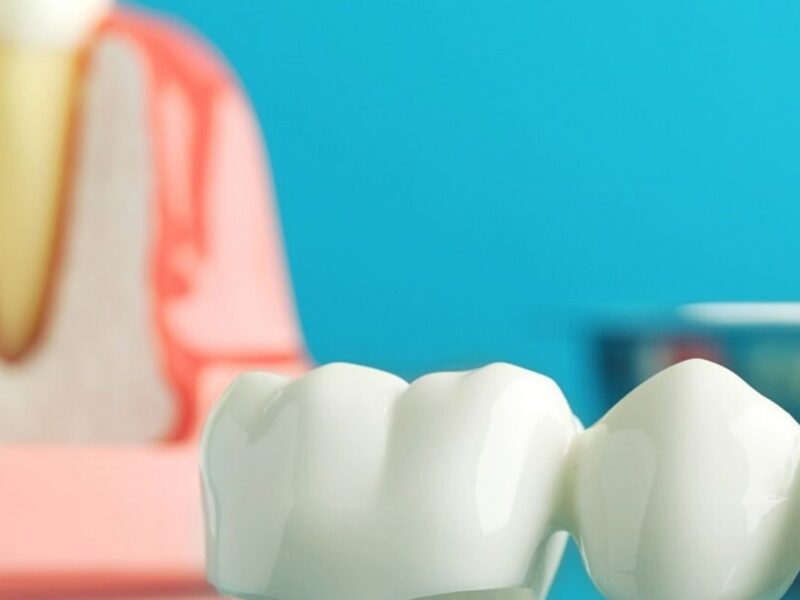
A dental crown is one of those treatments people often hear about long before they actually need one. It sounds simple enough, a cap over a tooth, but the real value of a professionally made crown goes far beyond covering damage. In practice, a crown can protect a weakened tooth from splitting, restore the way you chew, improve appearance, and often save you from more invasive treatment later.
That last point matters. Many patients put off care because the tooth still feels "mostly okay." They can chew on the other side, the crack only hurts once in a while, or the old filling has not fallen out yet. Then a small structural problem turns into a fracture below the gumline, a root canal emergency, or an extraction. I have seen that progression enough times to know that timing changes outcomes. A crown placed at the right moment is often a preventive decision, not just a repair.
For people searching for Dental Crowns Southgate CA, the question is usually not whether crowns exist or what they are called. The real question is whether professional treatment is worth it. The answer depends on fit, materials, planning, bite design, and the judgment of the dentist placing it. A crown is not just a product. It is a custom restoration that succeeds or fails based on details most patients never see.
A crown is only as good as the tooth underneath it
This is where professional care starts to separate itself from shortcuts. A crown cannot make a neglected tooth healthy by itself. If decay remains, if the margins are rough, if the tooth is too weak to support the restoration, or if the bite forces are not managed properly, the crown may look fine on the day it is cemented and still fail early.
A strong crown begins with diagnosis. That means checking whether the tooth has enough structure left, whether the nerve is healthy, whether the crack extends too deeply, and whether the gums can support a long-lasting seal. It also means asking practical questions. Do you clench at night? Has that old filling been replaced several times? Is the tooth already brittle from a past root canal? These details shape the treatment plan.
A back molar with a large, aging silver filling behaves differently than a front tooth chipped in a sports accident. A premolar in someone who grinds may need a different material and contour than a front incisor where shade matching is the top concern. Good crown work is not one-size-fits-all, even when the treatment code looks the same on paper.
Why teeth end up needing crowns
Crowns are usually recommended when a filling is no longer enough. Sometimes the tooth is simply too broken down, and sometimes the remaining walls are thin enough that another filling would act like a wedge instead of a support. I often explain it this way: a filling repairs a part of the tooth, while a crown protects the whole chewing surface and the vulnerable structure beneath it.
Common reasons a crown is recommended include:
- A large cavity that leaves too little natural tooth for a dependable filling
- A cracked tooth that hurts with biting pressure
- A tooth that has had root canal treatment and is more prone to fracture
- A broken or worn tooth that affects chewing or appearance
- Replacement of an old crown that no longer seals properly
What is worth noticing here is that these situations involve structure, not just symptoms. A tooth can have little or no pain and still be a poor candidate for another simple filling. In fact, some of the quietest teeth are the ones at highest risk because they have been slowly weakening for years.
The difference between a crown and a quick fix
Patients understandably compare treatment options. If a large filling is cheaper upfront, why not start there? Sometimes that is reasonable. Other times it is false economy.
Large fillings in heavily compromised teeth can break, leak, or lead to recurrent decay around the edges. When that happens, each replacement often removes a little more healthy enamel and dentin. The tooth gets smaller, weaker, and less forgiving. Eventually there is not enough left to rebuild predictably. At that stage, the choice may shift from crown versus filling to root canal and crown, or even crown versus extraction.
That is where the value of professional dental crowns becomes clear. A properly planned crown redistributes biting forces and protects the remaining tooth structure in a way a routine filling often cannot. It buys stability. It gives a vulnerable tooth a second life, often for many years, provided the home care and bite conditions are managed well.
This is especially important for molars. They absorb heavy chewing pressure every day, usually without much appreciation until one starts to crack. The back teeth do the hard labor of eating. When they are weakened, they need more than patchwork.
Materials matter, but fit matters more
Patients often come in asking for "the strongest crown" or "the most natural-looking crown." Those are fair questions, but crowns involve trade-offs. There is no single best material for every tooth and every person.
Porcelain and ceramic crowns are popular because they look natural and blend beautifully, especially in visible areas. Zirconia is known for strength and is commonly used in posterior teeth, though formulations and esthetic qualities can vary. Porcelain-fused-to-metal crowns still have a place in certain cases, particularly where long track records and specific structural demands come into play.
Yet material alone does not guarantee success. A premium ceramic crown with poor margins, uneven bite contacts, or inadequate reduction will not perform well. On the other hand, a carefully designed crown in a more conventional material may last a long time because it fits correctly and respects the biology of the tooth and gums.
This is one of the more misunderstood parts of treatment. Patients can see shade and shape, but they cannot easily judge margin integrity, bite balance, or cementation quality. Those hidden details are where professional standards matter most.
Professional crowns are built on precision
The process behind a crown is more exacting than many people expect. The tooth must be shaped enough to make room for the material, but not over-reduced. The impression or digital scan must capture the margins accurately. The temporary crown has to protect the prepared tooth and maintain position. The final crown has to sit flush without gaps and meet the opposing teeth correctly.
A tiny discrepancy can create outsized problems. If the crown is slightly Dental Crowns Southgate CA high in the bite, the tooth may ache, the jaw may feel strained, or the restoration may take repeated excessive force. If the edge is not well sealed, bacteria can creep underneath over time. If the contour traps plaque near the gumline, inflammation and tenderness can follow.
That is why the phrase Dental Crowns Southgate CA should mean more than local availability. It should point to the quality of the clinical process. Professional treatment is not just about getting a crown placed. It is about getting one that is designed for your tooth, your bite, and your long-term oral health.
The role of experience when the case is not straightforward
The easy cases do not define a practice. The more telling cases are the ones with competing concerns, limited tooth structure, cosmetic demands, or uncertain crack patterns.
Take a lower molar with an old root canal, a fractured cusp, and very little remaining tooth above the gumline. That case may need a buildup, careful isolation, and judgment about ferrule, which is the band of natural tooth structure that helps the crown hold and protect the tooth. If there is not enough ferrule, the prognosis changes. A good dentist will explain that honestly rather than simply proceed and hope for the best.
Or consider a front tooth crown for a patient with a high smile line. Matching color on a central incisor can be one of the more demanding tasks in restorative dentistry. The shape, surface texture, translucency, and how the crown interacts with neighboring teeth and light all matter. The technical challenge is very different from restoring a back molar, even though both are "crowns."
These are the moments when experience shows. Not in flashy language, but in restraint, planning, and the ability to say, "This tooth can be saved, but only if we approach it carefully," or, "This option looks cheaper today, but it is less predictable in your case."
Cost and value are not the same thing
People naturally ask about price, and they should. Dentistry is an investment, and cost influences decisions. But the least expensive route is not always the least costly over time.
A crown that lasts many years and prevents a fracture can be more economical than repeating large fillings, managing emergencies, or replacing a lost tooth with an implant or bridge later. The value lies not only in durability but also in preserving options. Saving a natural tooth in a controlled, timely way usually creates fewer downstream problems than rebuilding after a major failure.
That said, it is also true that not every crown recommendation is equally urgent. Some teeth can safely be monitored for a period. Some may be managed temporarily with a bonded restoration if conditions allow. A trustworthy dentist will distinguish between what is advisable soon, what is essential now, and what can reasonably wait.
Patients appreciate that kind of candor. They can sense when treatment is being tailored to their situation rather than sold as a one-note solution.
What the crown process usually feels like
The procedure itself is often less dramatic than patients fear. Once the tooth is numb, preparation is generally comfortable. There may be pressure, water spray, and vibration, but not sharp pain. Afterward, some soreness in the gums or sensitivity around the tooth is normal for a few days, especially with chewing or temperature changes.
The temporary crown deserves more respect than it often gets. It is not meant to function like the permanent one. It can loosen, it is usually less polished, and sticky foods can pull it off. Still, the temporary serves an important purpose. It protects the prepared tooth, keeps neighboring teeth from shifting, and helps maintain appearance and comfort while the final crown is being made.
When the permanent crown returns, the appointment focuses on fit, contacts, shade when applicable, and bite adjustment. The best result feels uneventful. The crown should not feel bulky, should not catch floss excessively, and should not leave you hunting for a comfortable way to bite down.
Good crown dentistry also protects the gums
A crown does not live in isolation. It sits right next to gum tissue, and the shape at that junction influences long-term health more than many patients realize.
Over-contoured crowns, those that bulge too much, can make brushing and flossing difficult and encourage plaque retention. Margins placed carelessly can irritate tissue or complicate hygiene. Even a very attractive crown can become a maintenance problem if it is not designed with the surrounding gum architecture in mind.
This is particularly relevant in patients who already struggle with inflammation or periodontal issues. In those cases, the crown has to be restorative and maintainable. A beautiful restoration that creates chronic bleeding when flossing is not a true success.
Crowns and bite problems, the issue many people miss
One of the biggest reasons crowns fail early has little to do with the crown itself and a lot to do with bite forces. Clenching, grinding, and uneven chewing patterns can place tremendous stress on teeth and restorations. I have seen otherwise well-made crowns chip or loosen because the underlying force pattern was never addressed.
If you wake up with jaw soreness, notice flattened teeth, or break dental work repeatedly, bite evaluation matters. Sometimes a night guard is part of protecting the investment. Sometimes minor adjustment of the crown shape is enough. Sometimes the case reveals a broader wear problem that requires a more comprehensive plan.
This is another place where professional care adds value. It connects the crown to the larger mechanical picture rather than treating the tooth as a standalone part.
When same-day convenience helps, and when it should not drive the decision
Some offices offer same-day crowns using in-house scanning and milling. That can be a real advantage for the right case. It reduces time in a temporary, saves a second visit, and appeals to busy patients.
Still, convenience should not eclipse case selection. Some teeth benefit from laboratory artistry, particularly highly visible front teeth or complex bite situations. In other cases, same-day production works beautifully. The point is not that one method is universally better. The point is that the clinician should know when each approach serves the patient best.
That kind of judgment is more important than the brochure value of the technology itself.
Choosing a provider for Dental Crowns Southgate CA
When patients evaluate a dental office, they often focus on friendliness, scheduling, or insurance participation first. Those things matter, but crown treatment deserves a slightly deeper look. You want a dentist who communicates clearly, examines thoroughly, and explains why a crown is being recommended instead of presenting it as an automatic default.
A few signs of thoughtful care stand out:
- The dentist explains the condition of the tooth in plain language and shows you the problem when possible
- Treatment options are discussed honestly, including the limits of fillings or watchful waiting
- The office reviews material choices based on function and appearance, not just price
- Bite and habits like grinding are considered as part of the plan
- Post-treatment expectations and maintenance are explained clearly
That final point matters more than people think. A crown is not a lifetime guarantee. It still needs flossing, professional cleaning, and periodic evaluation. Patients should leave knowing how to care for it and what symptoms warrant a call back.
Maintenance determines how much value you actually get
A professionally made crown can last many years, but longevity is not random. Daily care has a direct effect on outcome. The weak point is rarely the ceramic on top. More often, trouble starts at the margin where plaque accumulates, the gums become inflamed, or new decay forms.
Flossing around crowns should be gentle but thorough. People sometimes avoid the area because they are afraid of damaging the crown, especially if a temporary once came loose. A cemented permanent crown should tolerate normal hygiene. If floss shreds repeatedly or catches hard at one point, that is worth mentioning at your next visit.
Chewing habits matter too. Ice chewing, hard candy, pens, and fingernails all create risks. So does treating a crowned tooth like it is invincible simply because it has been reinforced. A crown improves strength and protection, but it does not make a tooth indestructible.
For patients who grind, a night guard is often the difference between a crown that ages gracefully and one that chips or loosens earlier than expected. It is not glamorous advice, but it is practical, and practical is what preserves dentistry.
When a crown may not be the best answer
Professional judgment includes knowing when not to crown a tooth. If decay extends too far below the gumline, if a root is fractured, or if the periodontal support is poor, a crown may not offer a durable solution. In those cases, other treatments may be more honest and more predictable.
There are also situations where a more conservative option, such as an onlay or bonded restoration, can preserve more natural tooth structure while still protecting the tooth. Not every damaged tooth requires full crown coverage. The right recommendation depends on how much healthy tooth remains, where the forces are, and what the long-term prognosis looks like.
This is one reason blanket promises should raise caution. Good dentistry is careful with tooth structure and realistic about prognosis.
The local factor matters more than people think
For patients looking for Dental Crowns Southgate CA, there is a practical advantage in establishing care close to home. Crowns usually involve more than one step, and even a well-done case occasionally needs a bite adjustment after cementation. Being able to return easily for follow-up is useful.
Local care also tends to encourage continuity. Your dentist knows the history of the tooth, the age of previous restorations, your bite habits, and whether you have had sensitivity or gum issues in the past. That continuity supports better decisions than a one-off emergency approach where no one has the full picture.
This is especially relevant when a crown is part of broader treatment, such as replacing failing old restorations, stabilizing a worn bite, or restoring a tooth after root canal therapy. Dentistry works best when individual procedures are connected to an overall plan.
What patients usually remember after the treatment is done
Years after a crown is placed, most patients do not remember the exact material, the shade designation, or how long the preparation appointment took. What they remember is whether they can chew comfortably, whether the tooth stayed out of trouble, and whether the crown feels like part of their mouth rather than a foreign object.
That is the real value of professional crown work. It disappears into daily life. It lets someone eat on that side again without hesitation. It saves a tooth from becoming the source of repeated disruption. It restores confidence quietly.
A good crown does not call attention to itself. It does its job meal after meal, season after season, often without praise. That may sound ordinary, but in dentistry, ordinary function is a high achievement.
For anyone weighing treatment options in Southgate, that is the standard worth using. Not whether a crown is merely available, but whether it is being planned and delivered with the care that gives it a genuine chance to last. Professional dental crowns are valuable because they protect more than enamel. They protect comfort, function, time, and future choices, which is often the difference between a repaired tooth and a truly restored one.
Simple Dental South Gate
Address: 8617 California Ave, South Gate, CA 90280
Phone number: +13236896118
FAQ About Dental Crowns Southgate CA
How much do crowns cost per tooth?
In the United States, a single dental crown typically costs between $800 and $2,500 per tooth without insurance. The ultimate out-of-pocket price depends heavily on the crown material, the location of the tooth, and whether you have dental insurance coverage.
What is the downside of crowns on teeth?
The primary downside of a dental crown is that the procedure permanently removes natural tooth enamel to shape the tooth for the cap.
Why do dentists push for crowns?
Dentists recommend crowns because a large filling cannot provide enough strength when a tooth loses a major portion of its structure or faces heavy chewing pressure.