Column · @deanqrls810
Top Reasons to Choose Dental Crowns Southgate CA for a Healthier Smile

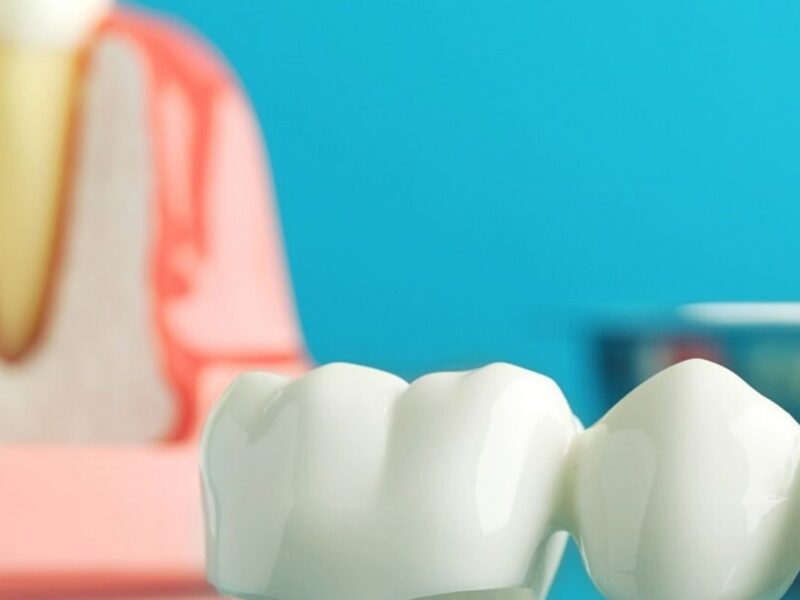
A damaged tooth rarely stays a small problem for long. What starts as a crack, a large cavity, or a weakened filling can quickly turn into pain when chewing, temperature sensitivity, gum irritation, or a tooth that finally gives way at the worst possible moment. In a busy community like Southgate, where people are balancing work, family, school schedules, and everyday life, most patients are not looking for cosmetic perfection alone. They want a restoration that protects the tooth, restores comfort, and lets them eat and speak without thinking about it all day.
That is where dental crowns often make a real difference. When a tooth has lost too much structure to function well with a basic filling, a crown can cover and reinforce it, helping preserve what remains rather than moving straight to extraction. For many patients, choosing Dental Crowns Southgate CA is less about appearance and more about stability, predictability, and keeping their natural teeth in service for years.
Why crowns remain one of the most dependable restorative options
Dentistry offers many ways to repair teeth, but each treatment has a proper role. A small cavity may only need a filling. A front tooth with a tiny chip might respond well to bonding. An implant is excellent when a tooth is already lost or cannot be saved. A crown fits the in between category, where the tooth is still there but no longer strong enough to carry daily forces on its own.
That distinction matters. A tooth can look acceptable in the mirror and still be structurally compromised. I have seen molars that showed only a modest surface defect but had deep cracks running through cusps, old fillings undermining the remaining enamel, or internal brittleness after root canal treatment. In cases like that, a crown is not an aggressive luxury. It is often the treatment that keeps the tooth from splitting later.
The appeal of crowns is their versatility. They can rebuild a worn tooth, protect one after root canal therapy, anchor a bridge, improve the shape or shade of a visibly damaged tooth, or restore bite balance when a fractured area has changed the way a patient chews. Few restorations solve so many different problems so reliably.
The strongest reason, protection for a weakened tooth
If there is one reason patients are advised to consider a crown, it is protection. Teeth do not fail only because of decay. They fail because repeated force lands on compromised structure day after day. Chewing, clenching, grinding, and temperature changes all stress the enamel and dentin. Once a tooth has a large filling or a crack, those forces become less forgiving.
A crown works like a custom cover that redistributes pressure and supports the tooth from multiple angles. It does not make the tooth indestructible, but it significantly lowers the chance that a weak section will break off during normal use. This is especially important for back teeth, which absorb heavy chewing loads. Molars and premolars often take more punishment than patients realize, particularly if they chew ice, bite pens, or grind at night.
Patients sometimes hesitate because the tooth is not hurting much yet. That can be a costly delay. Many cracked teeth are only mildly symptomatic until a cusp snaps off or the crack deepens into a point where the tooth becomes far harder to save. Early treatment is often simpler and less expensive than emergency reconstruction.
Better function can change daily life more than patients expect
A healthier smile is not only about how teeth look in photos. Function affects mood, diet, and even social comfort. When a tooth hurts or feels unstable, people adapt without always noticing. They chew on one side, avoid crunchy foods, skip cold drinks, or speak carefully so a rough edge does not scrape the tongue. Those habits can become routine.
Once the right crown is placed and adjusted properly, many patients notice the absence of stress before they notice the look. They stop planning around the tooth. That may sound minor, but it matters. Eating comfortably on both sides of the mouth helps distribute force more evenly. It can reduce strain on neighboring teeth and decrease the tendency to overload one area.
There is also a psychological lift that comes from being able to bite into food normally again. An adult who has been tearing sandwiches awkwardly with one side of the mouth or avoiding steak for months often feels immediate relief after treatment. Comfort restores normal behavior, and normal behavior usually supports better oral health over time.
Crowns often help preserve natural teeth instead of replacing them
Many patients assume that if a tooth is badly damaged, extraction is the cleaner solution. Sometimes that is true. A tooth with severe infection, deep root fracture, or inadequate support may not be worth restoring. But plenty of teeth that look questionable still have healthy roots and enough remaining structure to keep functioning if protected well.
Saving a natural tooth has real advantages. Your own tooth root helps maintain the surrounding bone and preserves the natural relationship with neighboring teeth. It also gives you familiar chewing feedback, something patients often describe as hard to quantify but easy to notice. Even an excellent implant does not behave exactly like a natural tooth.
This is one reason Dental Crowns Southgate CA remain such an important service. In many cases, a crown buys years of useful life for a tooth that might otherwise be dismissed too quickly. That extra time can be valuable medically and financially. A crown is usually less invasive, less time intensive, and less costly than extracting a tooth and replacing it with an implant, bone grafting when needed, and a final restoration.
Appearance matters, especially when damage is visible
Although strength and function lead the conversation, appearance matters too. A broken front tooth, a darkened tooth after trauma, or an old crown with visible metal at the gumline can affect confidence in ways patients do not always say out loud. People compensate by smiling less broadly, covering their mouth when they laugh, or avoiding close conversation.
Modern crowns can produce a very natural result when case selection and shade matching are done carefully. Material choice matters. All ceramic and porcelain based options can offer lifelike translucency, especially in visible areas. For back teeth, the emphasis may lean more heavily toward durability, though aesthetics still count.
A well made crown should not draw attention to itself. It should fit the smile, reflect light in a believable way, and blend with the adjacent teeth without looking unnaturally bright. The best restorative work often goes unnoticed, which is exactly the point.
Crowns can reduce the cycle of repeated patchwork repairs
There is a pattern many dentists see repeatedly. A tooth starts with a small filling. Years later that filling is replaced with a larger one. Then a corner chips, so another repair is added. Eventually there is more restorative material than healthy tooth left, and each new patch has less stable enamel to bond to. At some stage, replacing one more piece becomes less sensible than covering the whole tooth.
That decision is not about doing more treatment for its own sake. It is about choosing the treatment that matches the reality of the tooth. Large fillings in heavily used teeth can work for a time, but they are not always the best long term answer. Crowns can interrupt the pattern of repeated small failures by providing a more comprehensive reconstruction.
This is especially relevant for patients who have old silver fillings, deep Dental Crowns Southgate CA decay under existing restorations, or teeth that have lost multiple cusps. A crown can create a cleaner reset point, provided the tooth and gums are healthy enough to support it.
When a root canal has already been done
Teeth that have had root canal therapy often need special consideration. Once the nerve tissue has been removed and the internal tooth structure has been treated, the tooth may be more brittle, particularly if substantial decay or previous restoration weakened it before the root canal was ever performed.
Not every root canal treated tooth requires a crown, but many posterior teeth do. Back teeth face greater force, and without full coverage they may fracture. It is a frustrating situation when a patient goes through successful root canal treatment, feels better, then postpones the crown and returns later with a broken tooth that can no longer be restored. That sequence is common enough that dentists warn about it for good reason.
In practical terms, the root canal solves infection or nerve pain. The crown often solves the structural problem that remains.
A good fit protects the gums and bite, not just the tooth
Patients often judge dental work by one question: does it look nice? Professionals have to judge it by a few more. Does it fit tightly at the margin? Is the contact with neighboring teeth proper? Is the bite balanced? Is the contour kind to the gum tissue? These details influence comfort and longevity.
An ill fitting crown can trap food, irritate the gums, alter chewing patterns, or put too much pressure on one spot. A well fitting crown should feel natural after a brief adjustment period. The floss should pass with a realistic snap, the gumline should remain calm, and the bite should not feel high or awkward.
This is one reason to choose a provider with restorative experience rather than shopping on price alone. The laboratory quality, preparation design, material selection, and final bite adjustment all affect outcome. Dental crowns are not interchangeable commodities. The craft matters.
Material choices are not one size fits all
Patients are often surprised to learn how much crown choice depends on location, bite forces, habits, and cosmetic priorities. A front tooth restoration has different demands from a lower molar in a patient who clenches at night.
Here are a few common factors that shape the recommendation:
- Tooth location, front teeth usually prioritize appearance, while molars demand greater resistance to heavy chewing.
- Amount of remaining tooth structure, a heavily damaged tooth may need a material and design that emphasize reinforcement.
- Bite habits, clenching and grinding can change what material is safest and most durable.
- Cosmetic expectations, patients with a high smile line often care deeply about translucency and gumline appearance.
- Opposing teeth, the way the crown meets the tooth above or below affects wear and long term comfort.
Porcelain fused to metal crowns still have a place in some situations, though all ceramic materials have become increasingly popular. Zirconia is often chosen for strength, especially in posterior areas, while layered ceramics may be favored where lifelike esthetics matter most. There is no universally best crown material, only the best choice for that tooth in that mouth.
Southgate patients often need practical dentistry, not just idealized dentistry
Every community has its own treatment realities. In Southgate, many patients are managing crowded schedules, insurance limitations, transportation concerns, and dental issues that have accumulated over time because life got in the way. That is not neglect in the moral sense. It is often a reflection of competing responsibilities.
A practical treatment plan respects that reality. If a patient has one back tooth with a large fracture and several other smaller concerns, stabilizing the most vulnerable tooth with a crown can be a smart priority. It prevents the kind of dental emergency that disrupts work and creates higher costs later. Patients do not always need a perfect full mouth plan on day one. They need the next correct step.
That practical approach is another reason many people seek Dental Crowns Southgate CA. A crown can resolve a pressing problem with a high chance of restoring comfort and function in a predictable way. For patients who need dependable care, predictability carries a lot of value.
The process is more manageable than many people expect
Fear of the unknown keeps some patients from treatment. They imagine a crown as a long, painful ordeal. In reality, the process is usually straightforward. The tooth is evaluated, shaped to create room for the crown, and documented with impressions or digital scans. A temporary restoration typically protects the tooth until the final crown is ready, unless a same day system is being used and the case is suitable for that approach.
The final appointment involves trying in the crown, checking fit and appearance, adjusting the bite, and cementing it securely. Most patients tolerate the process well with local anesthesia. Mild soreness around the gums or jaw can occur afterward, especially if the tooth was already irritated, but severe downtime is not the norm.
The temporary stage deserves more respect than it gets. Patients who chew hard candy or sticky foods with a temporary crown are asking for trouble. Temporaries are useful, but they are not as durable as the final restoration. Following instructions for that short interval can spare a lot of frustration.
Longevity depends on the crown, and on the patient
A crown can last many years, sometimes well over a decade, but lifespan varies. The material, the quality of the underlying tooth, oral hygiene, bite forces, and habits all matter. A beautifully made crown on a tooth in a patient who grinds aggressively and skips cleanings is under different conditions than the same crown in a low risk mouth.
Patients can materially improve the odds by paying attention to a few basics:
- Brush thoroughly at the gumline, where plaque can collect around the margin of the crown.
- Floss daily, especially between crowned teeth and their neighbors.
- Wear a night guard if clenching or grinding has been identified.
- Keep regular exams and cleanings so small issues are caught before they become major failures.
- Avoid using teeth as tools for opening packages or cracking hard items.
One practical point that patients sometimes miss is this: the crown itself cannot decay, but the tooth underneath still can. The vulnerable area is often the margin where crown meets tooth. Good hygiene is not optional just because the restoration feels solid.
Cost should be weighed against what happens if you wait
Crowns are not inexpensive, and patients are right to ask hard questions about value. The fairest way to look at the cost is not in isolation but in context. What are you comparing it to? If the alternative is a small filling that truly solves the problem, that may be reasonable. But if the real alternative is waiting until the tooth cracks beyond repair, then the comparison changes.
A delayed crown can lead to more complex treatment, such as buildup procedures, root canal therapy, extraction, or replacement with an implant or bridge. Those options usually cost more, take longer, and involve greater biological disruption. That does not mean every recommended crown is urgent. It means the consequences of postponement should be discussed honestly.
Good clinicians usually explain what they see, what could happen if nothing is done soon, and where the gray areas are. That kind of transparency matters. Some teeth clearly need crowns now. Others can be monitored. Judgment is part of the job.
Choosing the right provider makes a noticeable difference
Patients often focus on whether they need a crown, but the more important question may be who is doing it and how carefully. A durable, comfortable, natural looking crown relies on diagnosis first. Is the tooth actually restorable? Is there a crack extending too far? Are the gums healthy enough? Is there enough ferrule, meaning sound tooth structure above the gumline, to support the restoration properly? These are not minor technicalities. They influence whether the treatment succeeds.
A thoughtful provider will also discuss alternatives. Sometimes an onlay can preserve more tooth structure. Sometimes extraction is the wiser choice. Sometimes the problem is not the tooth alone but the bite pattern around it. Patients deserve that level of analysis.
When evaluating a practice for Dental Crowns Southgate CA, it helps to look for clarity in communication, careful examination, realistic treatment planning, and a willingness to answer practical questions about materials, timing, insurance, and aftercare. Dentistry works best when patients understand not just what is being recommended, but why.
A healthier smile is usually a more stable smile
People hear the word healthier and often think only of clean teeth and fresh breath. Those are part of it, but structural health matters just as much. A smile is healthier when the teeth can tolerate everyday function without pain, when damaged areas are reinforced before they fracture, when gum tissue stays calm around restorations, and when patients can eat, speak, and smile without guarding one side of the mouth.
Dental crowns support that kind of health by turning vulnerable teeth into more stable ones. They are not glamorous in the way whitening or veneers may seem glamorous, yet they often do more for long term comfort and preservation than purely cosmetic procedures ever could. For Dental Crowns Southgate CA patients with cracked teeth, failing large fillings, root canal treated molars, or visible damage that affects confidence, crowns are frequently the treatment that brings the mouth back into balance.
For many Southgate patients, that balance is the real goal. Not a perfect Hollywood smile, not dental work that calls attention to itself, but a mouth that feels dependable again. When a crown is well planned, well made, and cared for properly, it can do exactly that.
Simple Dental South Gate
Address: 8617 California Ave, South Gate, CA 90280
Phone number: +13236896118
FAQ About Dental Crowns Southgate CA
How much do crowns cost per tooth?
In the United States, a single dental crown typically costs between $800 and $2,500 per tooth without insurance. The ultimate out-of-pocket price depends heavily on the crown material, the location of the tooth, and whether you have dental insurance coverage.
What is the downside of crowns on teeth?
The primary downside of a dental crown is that the procedure permanently removes natural tooth enamel to shape the tooth for the cap.
Why do dentists push for crowns?
Dentists recommend crowns because a large filling cannot provide enough strength when a tooth loses a major portion of its structure or faces heavy chewing pressure.