Column · @deanqrls810
Why Dental Crowns Southgate CA Are an Effective Tooth Repair Option

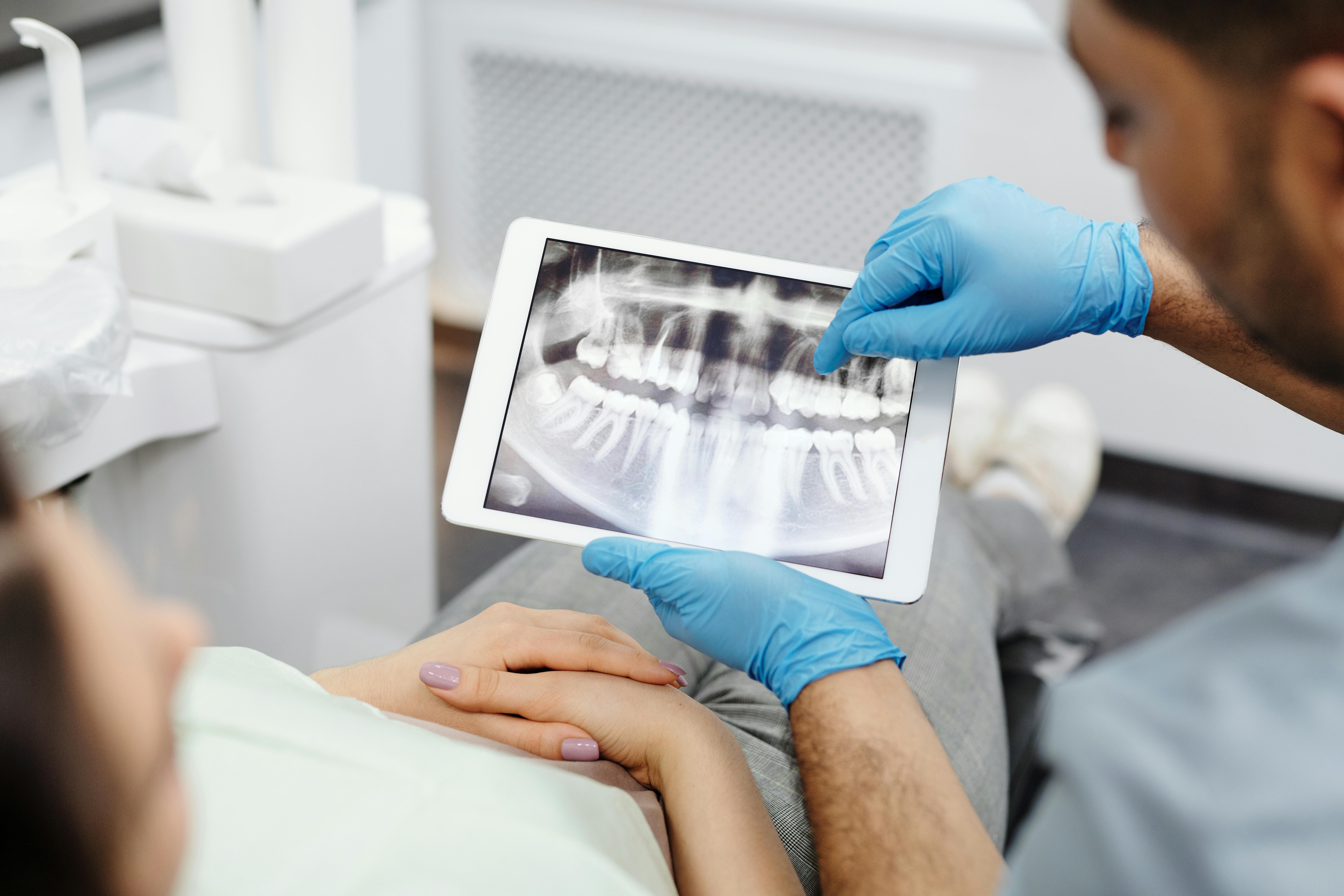
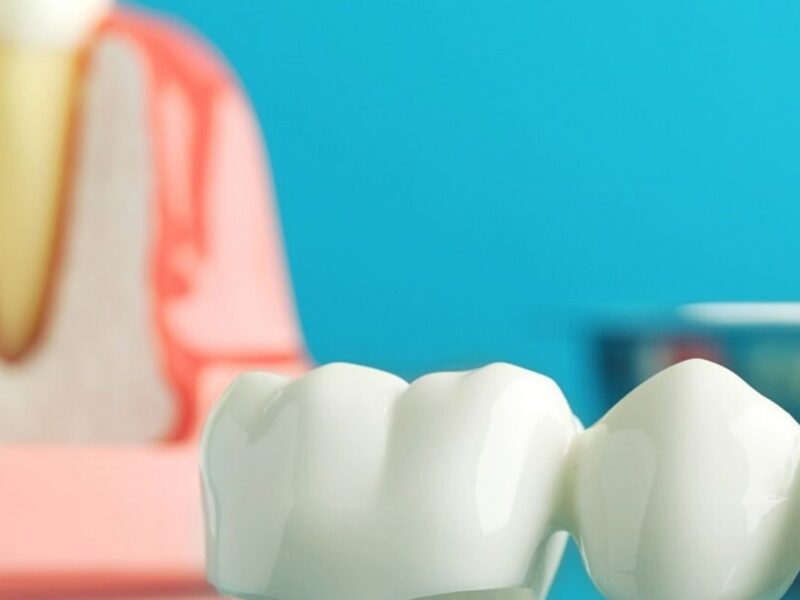
A damaged tooth does not always need to be removed, and it does not always need the most aggressive treatment available. In many cases, a crown is the middle ground that makes the most sense. It protects what is still healthy, restores function, and gives the tooth a second life that often lasts for many years with proper care. That practical balance is why so many dentists recommend crowns when a tooth has lost too much structure for a simple filling but still has a solid enough foundation to save.
Patients looking into Dental Crowns Southgate CA are usually dealing with a real problem, not a cosmetic whim. A back molar cracked on a popcorn kernel. An old filling gave way and took half the tooth with it. A root canal left the remaining tooth brittle. Sometimes the issue builds slowly, as with severe grinding or long-term decay that weakens the enamel until everyday chewing becomes risky. Other times it happens in one unpleasant bite.
Crowns work because they address several needs at once. They cover and protect the visible portion of the tooth, restore its shape, and allow the bite to function normally again. A filling repairs a hole. A crown rebuilds a compromised structure. That difference matters more than many people realize.
What a crown actually does
A dental crown is a custom-made cap that fits over a prepared tooth. Once bonded or cemented in place, it becomes the new outer surface of that tooth above the gumline. The crown does not replace the root, and it does not heal damage already done, but it can stop a weak tooth from getting worse.
Think of a tooth like a load-bearing corner in a house. If a small area is chipped or worn, you can patch it. If the corner is split and unstable, patching alone does not solve the problem. You need a protective structure that holds everything together under pressure. That is the role a crown plays in dentistry.
This is especially important for molars and premolars, where chewing forces are strong and repetitive. It is easy to underestimate how much force a single tooth handles. Every meal, every snack, every clenched jaw at night adds stress. When a tooth has already been drilled multiple times, or when its walls are thin after a fracture or deep decay, that stress can turn a manageable issue into a broken tooth very quickly.
Why crowns are often more effective than large fillings
One of the most common judgment calls in restorative dentistry is deciding whether a tooth can still be predictably restored with a filling or inlay, or whether it has crossed the line and now needs full coverage. Patients often ask a fair question: why not just do another filling and avoid a crown?
Sometimes that is possible. Sometimes it is not wise.
Large fillings can work well in the right case, but they rely on the remaining tooth structure for support. If the tooth has lost too much substance, the filling becomes less like a repair and more like a patch on a fragile shell. Under chewing pressure, the unsupported cusps can flex and fracture. I have seen patients do fine for a year or two with a large filling, only to return after biting into something ordinary and finding the tooth split beyond easy repair.
A crown changes that equation by binding the remaining tooth into a unified shape. Instead of asking weakened enamel walls to carry the load on their own, the crown distributes force more evenly. That is a major reason crowns are so effective for cracked teeth, heavily restored teeth, and teeth after root canal treatment.
There is also a comfort factor. A poorly supported tooth can become sensitive, not always because of active decay, but because tiny movements under pressure irritate the nerve or the ligament around the tooth. A well-fitted crown can reduce that instability. Patients often describe the difference in simple terms: “It finally feels solid again.”
Situations where a crown makes strong clinical sense
Dentists do not recommend crowns for every damaged tooth, and they should not. A conservative approach is usually best when the tooth can still be predictably preserved with less treatment. But there are clear situations where a crown becomes the more dependable option.
A root canal is a classic example. Once the nerve is removed, the tooth is no longer painful from temperature in the same way, but it also tends to be more brittle over time, especially in back teeth. Add the fact that root canal access removes internal tooth structure, and the need for protection becomes obvious. A crown often serves as the final reinforcement that keeps the tooth functioning long term.
Cracks are another major reason. Not every crack can be saved, and the depth and direction matter. But for many incomplete cracks, a crown can brace the tooth and limit flexing during chewing. Timing matters here. A tooth that only hurts when biting may still be salvageable. A tooth with a crack that has extended far below the gum or split the root may not be.
Old dentistry also plays a role. Teeth with multiple previous fillings, especially large silver or composite restorations, often reach a point where another patch is no longer the soundest option. Each replacement tends to require removal of a little more material. Eventually the restoration is taking up more space than the natural tooth itself. At that stage, a crown can provide a cleaner, more durable rebuild.
Crowns are not just about strength, they are about function
Patients tend to focus on whether the tooth hurts or whether it looks broken. Dentists also look at bite function, because even a pain-free tooth can cause trouble if its shape is compromised.
A missing cusp, a flattened chewing surface, or a tooth that has shifted after years of wear can affect how the upper and lower teeth meet. That can create food trapping, soreness in the surrounding ligament, or uneven pressure that chips other teeth. A crown allows the dentist to restore proper anatomy, not just close a gap.
That level of control is one reason crowns can be so valuable. The contours can be shaped to support the bite, protect the gum, and make flossing possible again. A good crown should not feel bulky, and it should not catch food constantly. When it is designed and adjusted well, it tends to disappear into normal use. Patients often stop noticing it after a few days, which is usually a sign that the bite and shape are working as intended.
The cosmetic benefit is real, but it is not the whole story
Crowns can absolutely improve appearance. For front teeth with severe discoloration, trauma, or old bonding that keeps failing, a crown can provide a more stable and natural-looking result. Modern ceramic materials can mimic the translucency and color variation of enamel quite well.
Still, appearance should not distract from the main purpose, which is repair and protection. A crown is more invasive than a veneer and more extensive than bonding. It involves shaping the tooth, taking impressions or scans, and placing a restoration that covers the entire visible surface. When used appropriately, that is worthwhile. When used casually, it can be more treatment than the tooth really needed.
The best treatment planning weighs both appearance and biomechanics. A front tooth that is heavily fractured may need a crown for structural reasons and look better as a result. A tooth that is merely a little uneven in color may have other, more conservative options. Good dentistry is not about choosing the fanciest restoration. It is about choosing the one that gives the tooth the best chance to stay healthy and useful.
Why material choice matters
Not all crowns are the same. The material affects strength, appearance, wear behavior, and in some cases how much tooth reduction is required. Patients exploring Dental Crowns Southgate CA will likely hear terms such as porcelain, zirconia, porcelain-fused-to-metal, or ceramic. Each has a place.
Zirconia is popular for back teeth because it is strong and tends to perform well under heavy bite forces. It can be a smart choice for grinders, though the case still needs careful bite adjustment. All-ceramic or porcelain crowns are often chosen where appearance matters most, especially in visible areas. Porcelain-fused-to-metal crowns have a long track record, though some patients prefer metal-free options and some older versions can show a dark line near the gum over time.
There is no universal best material. A front tooth in a patient with high smile exposure, thin gums, and a strong preference for lifelike esthetics may call for something different than a lower molar in a patient who clenches at night. This is where judgment matters more than brand names.
What the process usually looks like
For many patients, the crown process is less dramatic than expected. The first visit usually involves evaluating the tooth, taking imaging if needed, removing decay or old restorative material, and shaping the tooth so the crown will fit properly. If the tooth is badly broken down, the dentist may need to build up the core first to create a stable foundation.
After preparation, an impression or digital scan is taken. A temporary crown is typically placed while the final one is made. This temporary stage matters. It protects the tooth, maintains spacing, and gives the patient a preview of how the area will function. It also reveals issues. If the temporary keeps popping off or the Dental Crowns Southgate CA simpledentalca.com tooth remains sharply painful, that can signal additional concerns that need attention before the final crown goes in.
When the permanent crown returns from the lab, or is milled in-office if same-day technology is available, the dentist checks the fit, margins, contacts, color, and bite. If all looks right, the crown is cemented or bonded in place.
Here is where experience counts. A crown can look beautiful on the tray and still fail if it does not fit the tooth precisely. Margins that are open or rough trap bacteria. Contacts that are too tight make flossing miserable. Contacts that are too loose invite food packing. Bite spots that are high can make the tooth sore or even jeopardize the crown. The restoration is only as good as the planning and finishing behind it.
A few trade-offs patients should understand
Crowns are effective, but they are not perfect and they are not maintenance-free. Patients do better when they understand the trade-offs upfront rather than hearing only the benefits.
- A crown requires removal of some natural tooth structure to make room for the restoration.
- A crowned tooth can still get decay, especially near the margin if plaque control is poor.
- Some teeth remain temperature-sensitive for a short time after treatment, particularly if the nerve was already irritated.
- Crowns can chip, loosen, or wear over time, though good design and habits improve longevity.
- If the underlying tooth or root later fails, the crown alone cannot save it.
These are not reasons to avoid crowns when they are indicated. They are reasons to treat them with the same respect as any serious restorative work. A crown is an investment in preserving a tooth, not a magic shield that ends all future dental risk.
How long a crown can last in real life
Patients often ask for a number. Ten years is a commonly quoted benchmark, but real-world longevity varies widely. I have seen well-made crowns function for well over fifteen years, sometimes longer. I have also seen crowns fail early because the tooth underneath fractured, the bite was too heavy, or home care was poor.
Longevity depends on several variables at once. The health of the tooth and root matters. The amount of remaining tooth structure matters. Material choice matters. So does the skill of the preparation, the quality of the lab work, and how accurately the bite is adjusted. Then there is the human factor. A patient who clenches nightly without a guard places very different demands on a crown than someone with a calm bite and excellent hygiene.
One common misconception is that once a crown is placed, that tooth no longer needs the same level of care. The opposite is true. The edge where crown meets tooth is a critical area. If plaque accumulates there, decay can begin quietly under or around the margin. This is one reason flossing and regular cleanings matter so much after crown placement.
Crowns and cracked teeth, where timing changes everything
Cracked teeth deserve special attention because they are one of the areas where crowns can make a dramatic difference, but only if the tooth has not crossed into hopeless territory.
A typical scenario goes like this: a patient feels a sharp zing when releasing pressure after biting on one side. It comes and goes. Cold sensitivity may appear. The tooth often looks normal to the naked eye. On examination, the crack may be hard to see, but the symptoms fit. If treated early, often with a crown, the tooth may settle and function comfortably for years.
Wait too long, and the story can change. The crack can deepen, bacteria can invade the pulp, the nerve can become inflamed beyond recovery, and root canal treatment may be needed before a crown. If the crack extends down the root or causes the tooth to split, extraction may be the only predictable answer.
That is one reason dentists take seemingly minor bite pain seriously. Teeth do not always give loud warnings. Subtle symptoms can signal structural instability that is much easier to manage early.
Cost concerns are understandable, but so is the value
Crowns are more expensive than fillings, and for many families that matters. It should matter. Dental decisions happen in the real world, where budgets are not abstract.
Still, the cheaper option is not always the lower-cost option over time. Replacing a large failing filling again and again can lead to repeated appointments, additional tooth loss, and eventually a bigger procedure anyway. If a crown protects the tooth from fracture and preserves it for many more years, the upfront cost may be easier to justify.
Patients should also consider what happens if a compromised tooth is not restored properly. A tooth that breaks beyond repair can shift the conversation from crown to extraction, implant, or bridge, all of which usually cost more and involve more time.
The right question is not simply, “What is the least expensive treatment today?” It is, “What gives this tooth the best chance to remain functional and stable?” Sometimes that answer is a filling. Sometimes it is a crown. The distinction matters.
What to look for when considering Dental Crowns Southgate CA
If you are evaluating providers for Dental Crowns Southgate CA, the quality of the conversation matters as much as the treatment itself. A thoughtful dentist should explain why a crown is being recommended, what alternatives exist, and what limitations apply in your specific case. A recommendation without context is not enough.
It is reasonable to ask whether the tooth has enough structure left to support a crown, whether root canal therapy is anticipated, what material is being proposed, and how the bite will be protected if you grind at night. It is also reasonable to ask what the temporary phase will involve and what symptoms are normal versus worth reporting.
A good crown case is not rushed. Even when same-day systems are available, the dentist still needs to respect fundamentals: diagnosis, isolation, preparation design, margin quality, and bite adjustment. Technology can improve efficiency, but it does not replace judgment.
Aftercare is simple, but it is not optional
Most crowns do not require special products or complicated routines. They require consistency. Brush carefully at the gumline. Floss daily. Keep recall visits. If you have a night guard, wear it. If something feels off, especially a high bite or persistent tenderness when chewing, bring it up early.
The first few days after placement can involve an adjustment period. A tooth may feel slightly different simply because its shape has changed from what your mouth had adapted to. Mild sensitivity can happen. What should not be ignored is sharp pain when biting, floss that shreds repeatedly at the contact, or a crown that feels loose. Small fit issues are often easier to correct early than after months of stress.
For patients who are prone to clenching, the conversation should include protection. I have seen beautifully made crowns fail under unmanaged grinding forces. A night guard may seem unrelated to a single repaired tooth, but in practice it can extend the life of both the crown and the surrounding teeth.
Why crowns remain one of the most dependable tools in restorative dentistry
Dentistry has changed a great deal over the years, but crowns remain a mainstay for a reason. They solve a practical problem that comes up every day: how to preserve a tooth that is too compromised for a simple repair but still worth saving. That is not glamorous. It is just sound treatment.
When selected for the right case, designed carefully, and maintained well, a crown can restore comfort, chewing efficiency, and confidence. It can turn a fragile tooth into a dependable one again. For many patients, that means being able to eat normally, stop worrying about the next crack, and keep their natural tooth rather than moving toward extraction.
That is the real value. A crown is not merely a cap. It is a way to extend the working life of a tooth that still has something worth protecting. For people weighing Dental Crowns Southgate CA, that effectiveness is exactly why crowns continue to be one of the most trusted repair options available.
Simple Dental South Gate
Address: 8617 California Ave, South Gate, CA 90280
Phone number: +13236896118
FAQ About Dental Crowns Southgate CA
How much do crowns cost per tooth?
In the United States, a single dental crown typically costs between $800 and $2,500 per tooth without insurance. The ultimate out-of-pocket price depends heavily on the crown material, the location of the tooth, and whether you have dental insurance coverage.
What is the downside of crowns on teeth?
The primary downside of a dental crown is that the procedure permanently removes natural tooth enamel to shape the tooth for the cap.
Why do dentists push for crowns?
Dentists recommend crowns because a large filling cannot provide enough strength when a tooth loses a major portion of its structure or faces heavy chewing pressure.